
Yoga Anatomy Articles
The yoga anatomy articles are organized into categories such as, Injuries , Postures, Your Questions , Yoga , Anatomy , Yoga Injuries Research , Ashtanga Yoga Research , and even Yoga Adjustments.
They are also broken down more specifically by muscles, bandhas, breathing, sit bone pain, shoulders, psoas, and knee pain.
 Anatomy
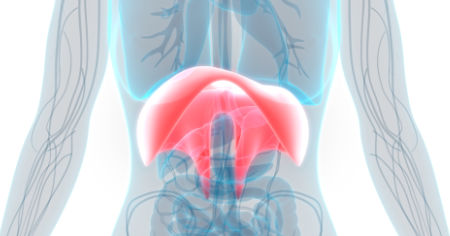
Breathing With The Diaphragm Muscle
In yoga, finding more ease when breathing with the diaphragm is not so much about which postures you do, but more about… Anatomy
What Is Jalandhara Bandha?
Find out, anatomically, what happens when we are in jalandhara bandha position and how jalandhara bandha can help us focus on breathing. Anatomy
Why Is Breathing In Twists So Hard?
David explains from an anatomical perspective why breathing in twists can feel so challenging! Learn how you can evolve your twists and…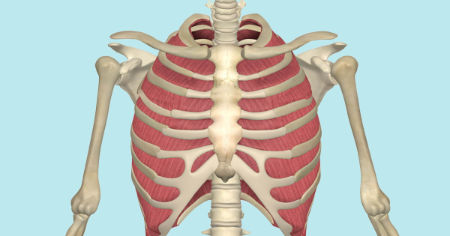 Anatomy
Internal And External Intercostal Muscles
This month I highlight the internal and external intercostal muscles. Take a look at where these important breathing muscles attach, what actions…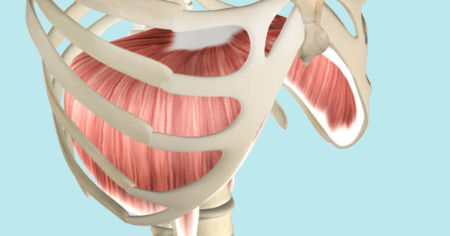 Anatomy
Diaphragm Muscle
This month we highlight the diaphragm muscle. Take a look at where this very unique muscle attaches, what action it does, and…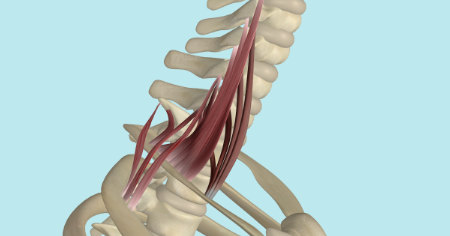 Anatomy
Scalene Muscles
This month take a look at the scalene muscles. They work to stabilize and move the neck. They also assist as secondary… Anatomy
Breathing In Yoga: Is There A Right And Wrong Way?
Is there a right and wrong way for us to be breathing in yoga? Learn more about breathing to help you understand… Anatomy
How Breathing Leads To Bandhas © 2010
Bandhas seem elusive. Breathing with the diaphragm, mental intention, and focus is the way to develop a relationship with our bandhas.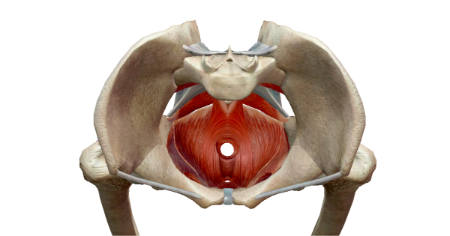 Anatomy
Mula Bandha Anatomically Speaking By David Keil © 2010
Which muscles actually form mula bandha? Find out how this relates to breathing and the evolution of mula bandha in the practice… Anatomy