
Yoga Anatomy Articles
The yoga anatomy articles are organized into categories such as, Injuries , Postures, Your Questions , Yoga , Anatomy , Yoga Injuries Research , Ashtanga Yoga Research , and even Yoga Adjustments.
They are also broken down more specifically by muscles, bandhas, breathing, sit bone pain, shoulders, psoas, and knee pain.
 Yoga Postures
There’s No Right Way To Forward Bend In Yoga: Here’s What Matters Instead
A good forward bend in yoga is more complex than it appears. The right forward bend is the one that fits the… Anatomy
What Is Hip Opening In Yoga?
Hip opening in yoga increases our range of motion in external hip rotation to prepare us for poses like half lotus and… Yoga Postures
Twisting in Yoga: Anatomy, Technique, and Common Issues
Twisting in yoga is a whole-body movement. A twist in yoga involves the pelvis and spine and often even the legs and… Yoga Postures
Anatomical Breakdown Of Laghu Vajrasana
In laghu vajrasana, or lightning thunderbolt pose, the primary aspect or pattern we develop is resisting gravity. Yoga Postures
Anatomical Breakdown Of Pasasana
Pasasana is a challenging twist posture that incorporates a bind around both legs from a squat base position. Arm Balances
Anatomical Breakdown of Karandavasana
Karandavasana is a challenging dynamic pose that requires a reliable lotus, a forearm balance, and lots of practice with resisting gravity. Arm Balances
Why Can’t I Do A Headstand?
To do a headstand, set up your base, train the pelvic tilt needed to lift your legs with control, and only then…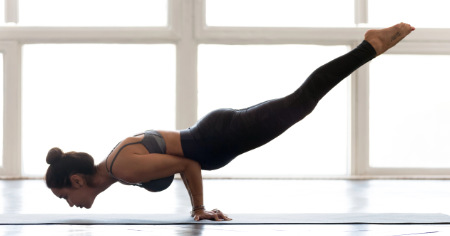 Arm Balances
Anatomical Breakdown Of Mayurasana
In mayurasana, avoid overly rounding the spine or placing elbows too low, to reduce stress on the wrists and make balancing easier. Arm Balances
Anatomical Breakdown Of Tittibhasana A, B, C, and D: The Ashtanga Firefly
Tittibhasana A, B, C, and D, the Ashtanga firefly poses, require the ability to create length and engage the legs at the… Arm Balances
How Should I Do Half Headstand (Pike)?
For half headstand, or pike, let a little more backbend come into your back and have someone's outside feedback cue you how…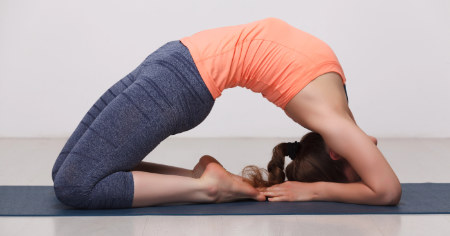 Yoga Postures
Anatomical Breakdown of Kapotasana, The Ashtanga Version Of Pigeon Pose
Kapotasana is a challenging backbend that requires significant length along the front of the body. Learning the pose takes patience and time.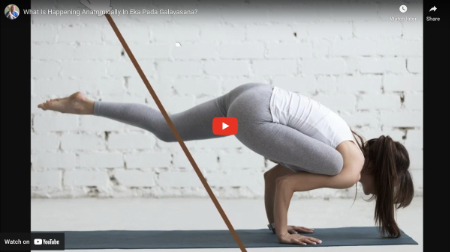 Arm Balances
What Is Happening Anatomically In Eka Pada Galavasana?
The back leg often doesn't straighten in eka pada galavasana because of the position that the pelvis is in when we do… Arm Balances
Is Headstand Really Safe?
Headstand is a relatively safe posture if you don't have pre-existing medical conditions that would make headstand contraindicated, and you build up…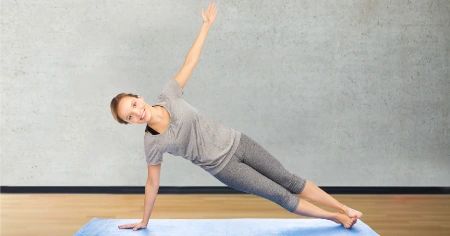 Arm Balances
Anatomical Breakdown Of Side Plank
Anatomically, side plank is supported by serratus anterior and other shoulder muscles as well as strong abductors stabilizing the hips.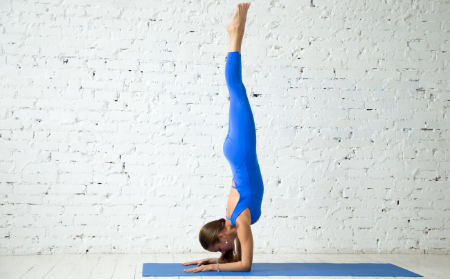 Arm Balances
Anatomical Breakdown Of Forearm Balance
Forearm balance is a fun pose that takes time and patience to learn. Engaging and strengthening serratus anterior is one key to…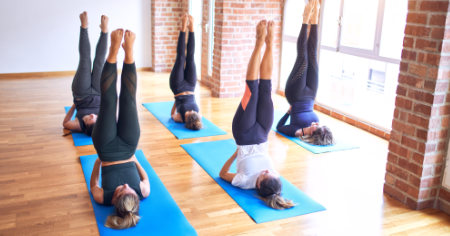 Yoga Postures
Anatomical Breakdown Of Shoulder Stand
Shoulder stand is a classical asana that can offer many benefits, but is contraindicated for those with many types of neck issues.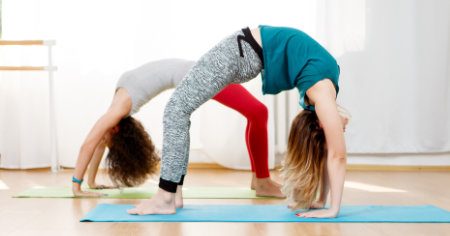 Yoga Postures
Backbending in Yoga: Anatomy, Technique & Common Mistakes
Dive into the anatomical components of a backbend and learn why and how to set yourself up for comfortable and safe backbending.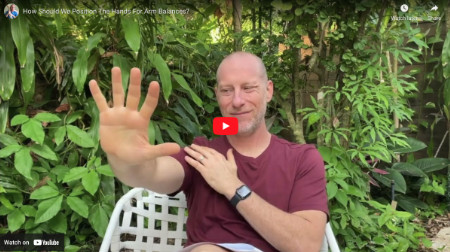 Arm Balances
How Should We Position The Hands For Arm Balances?
The exact position of the hands in arm balances matters less than whether you're engaging serratus anterior to stabilize the shoulders.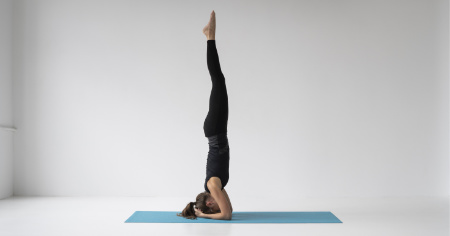 Arm Balances
The Truth About Headstand In Yoga
Learn headstand in yoga by going step by step. Build the pose from the base, control the pelvis, and lift up.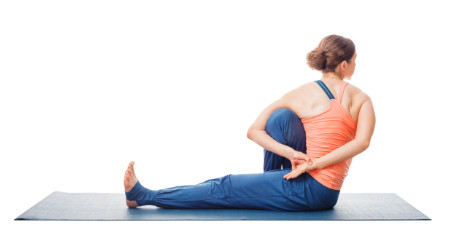 Yoga Postures
How To Bind Marichyasana C And Other Bound Twists
Learning to bind Marichyasana C, like other seated bound twists, requires establishing a stable base, before reaching the arm to bind.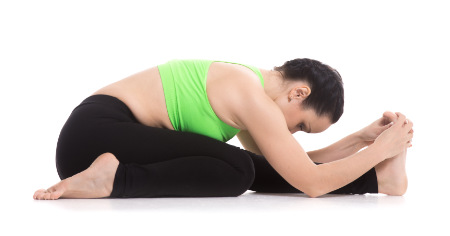 Yoga Postures
Anatomy Of Triang Mukhaikapada Paschimottanasana And Krounchasana
Both triang mukhaikapada paschimottanasana and krounchasana require that we lengthen tissues for internal hip rotation and forward bending.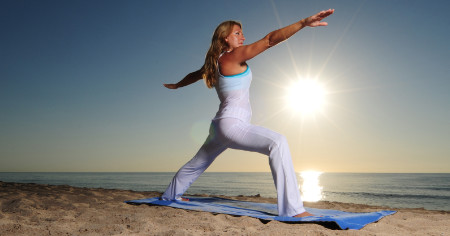 Standing Postures
Standing Yoga Poses Vary In Their Joint Force And Physical Demands
The joint force passing through knees, hips, and ankles varied in standing yoga poses. This has implications for rehabilitation using yoga. Standing Postures
Why Do I Feel Unstable In Revolved Side Angle?
One reason for feeling unstable in revolved side angle is setting up with the feet too close together and the front knee… Anatomy